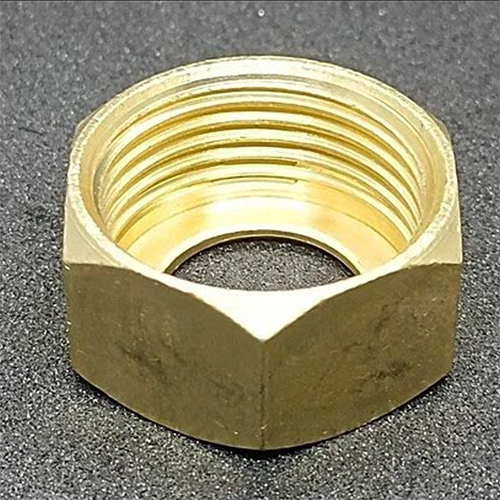
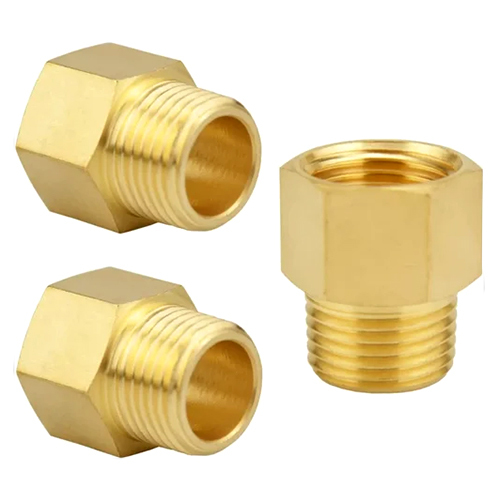
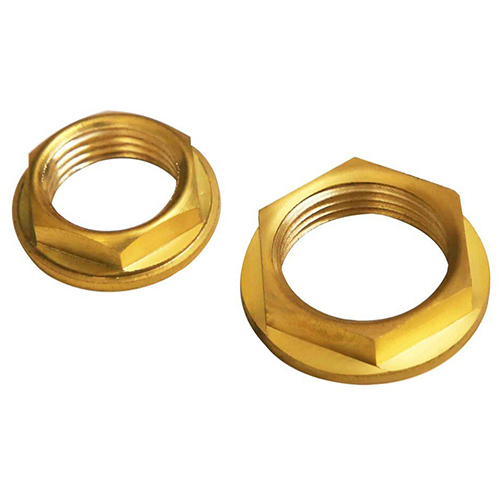
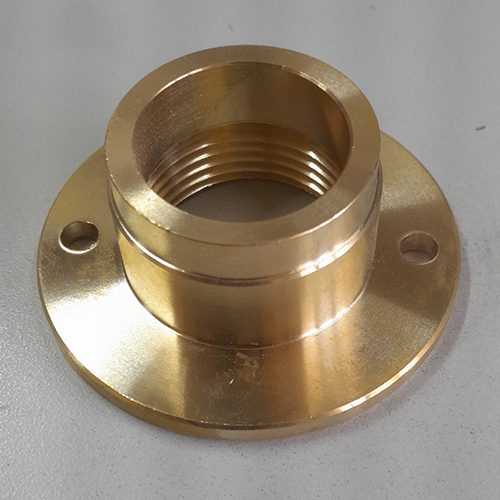
About Brass Hex Nut
Brass Hex Nuts are used to connect both metal and wooden components. They are also used in conjunction with brass bolts, screws, studs, threaded rod and any other brass fastener that has Brass hex nuts are six-sided, internally threadedfasteners made from copper and zinc alloys, offering excellent corrosionresistance, electrical conductivity, and durability. Widely used inelectronics, marine, and plumbing applications, these fasteners, oftencompliant with DIN 934 or ISO 4032 standards, come in metric sizes from M2 toM36, providing reliable, non-magnetic securing in restricted spaces.
Detailed Description and Features:
- Shape: Hexagonal shape makes them easy to hold with a wrench and allows for high torque application.
- Material: High-grade Free Cutting Brass (often IS 319 or BS 249 Type I), known for its, durability, and aesthetic appeal.
- Standards & Specifications: Primarily DIN 934 (Metric coarse and fine-pitch), but also available in ISO 4032, IS 1364 (Part 3), and JIS B 1181.
- Sizes: Standard sizes range widely from M2 to M36, including BSW, UNC, and UNF thread types.
- Finishes: While naturally yellow, they are available in nickel, tin, copper, blue/yellow/white zinc, silver, or gold plating to meet specific corrosion or aesthetic needs.
- Mechanical Properties: These nuts offer moderate tensile strength while remaining corrosion-resistant, making them ideal for exterior and wet environments.
Common Applications:
- Electrical and electronic components requiring conductivity.
- Marine, industrial, and plumbing hardware.
- Machinery and equipment assembly.
- Sensitive instruments where non-magnetic material is required.
Advantages:
- Corrosion Resistance: Highly resistant to rust and wear.
- Thermal/Electrical Conductivity: Good for electronics.
- Non-Magnetic: Suitable for precise, sensitive equipment.
- High Torque: The six-sided design is easy to install and tighten.
achine screw threads. Brass will protect against tarnishing and corrosion.Premium Quality Brass Hex NutsEngineered from high-grade brass, our hex nuts offer superior resilience and a radiant golden finish. These nuts provide both strength and an attractive appearance, perfect for demanding industrial hardware applications where reliability is crucial.
Versatile Application & Easy InstallationDesigned in a standard size, these brass hex nuts seamlessly integrate into diverse hardware fitting projects. Their polished finish ensures smooth threading and secure fastening, making them suitable for various machinery and structural assemblies.
Export Expertise from IndiaWith a reputation as a leading exporter, manufacturer, and trader, we assure consistent product quality meeting international standards. Sourced and manufactured in India, our brass hex nuts are trusted by industries worldwide for their dependability and precision engineering.
FAQ's of Brass Hex Nut:
Q: How are brass hex nuts commonly used in industrial hardware fitting applications?
A: Brass hex nuts are typically used to secure bolts or threaded rods in machinery, equipment, and structural connections. Their robust construction and corrosion resistance make them ideal for maintaining stable and reliable joints in industrial hardware projects.
Q: What is the manufacturing process for your polished brass hex nuts?
A: Our brass hex nuts undergo precision machining from high-grade brass material, followed by polishing to achieve a smooth, golden finish. Each nut is rigorously inspected for dimensional accuracy and finish quality to ensure dependable performance.
Q: When should I choose brass hex nuts over other types of fasteners?
A: Brass hex nuts are ideal when corrosion resistance, electrical conductivity, and aesthetic appeal are required. They are preferred in applications exposed to moisture, in electrical hardware, or where a polished, decorative look is desirable.
Q: Where are your brass hex nuts manufactured and exported from?
A: Our brass hex nuts are both manufactured and exported from India, adhering to international manufacturing standards. We supply to industries globally, offering reliable sourcing for hardware fitting requirements.
Q: What benefits does the polished golden finish provide?
A: The polished golden finish enhances corrosion resistance, imparts a premium look, and facilitates easy cleaning. This finish also helps in identifying the nut's material and ensures smooth handling during installation.
Q: How can these brass hex nuts be installed for optimal performance?
A: To achieve optimal performance, ensure correct alignment of the nut with the threaded bolt or rod, and tighten with an appropriate tool. The polished finish helps minimize friction during installation, providing a secure and lasting hold.




 Send Inquiry
 Send Inquiry