
Call us now
08045802016
Call us now
08045802016


Brass fasteners are hardware components forged fromcopper-zinc alloys, renowned for superior corrosion resistance, high electricalconductivity, and aesthetic appeal. They are ideal for marine, electrical, anddecorative applications, commonly manufactured as screws, bolts, nuts, andwashers. These fasteners are non-magnetic, durable, and highly machinable,often featuring specialized finishes like nickel plating.
Key Characteristics and Features
Common Types of Brass Fasteners
Applications
Finishes and Grades
Fasteners can be manufactured in natural polished brass or treated withfinishes such as:

Price:
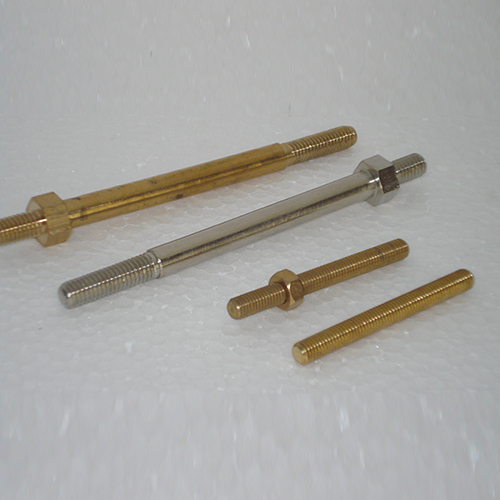
Price 50.0 INR / Piece
Minimum Order Quantity : 7000 Pieces
Product Type : Brass Stud
Color : Golden & Silver
Usage : Hardware Fitting
Material : Brass

Price 65.0 INR / Piece
Minimum Order Quantity : 5000 Pieces
Product Type : Brass Running Stud
Color : Golden
Usage : Hardware Fitting
Material : Brass


 Send Inquiry
 Send Inquiry